The Gunnison Valley's Septic Pumping Specialist

SEPTIC PUMPING SERVICES
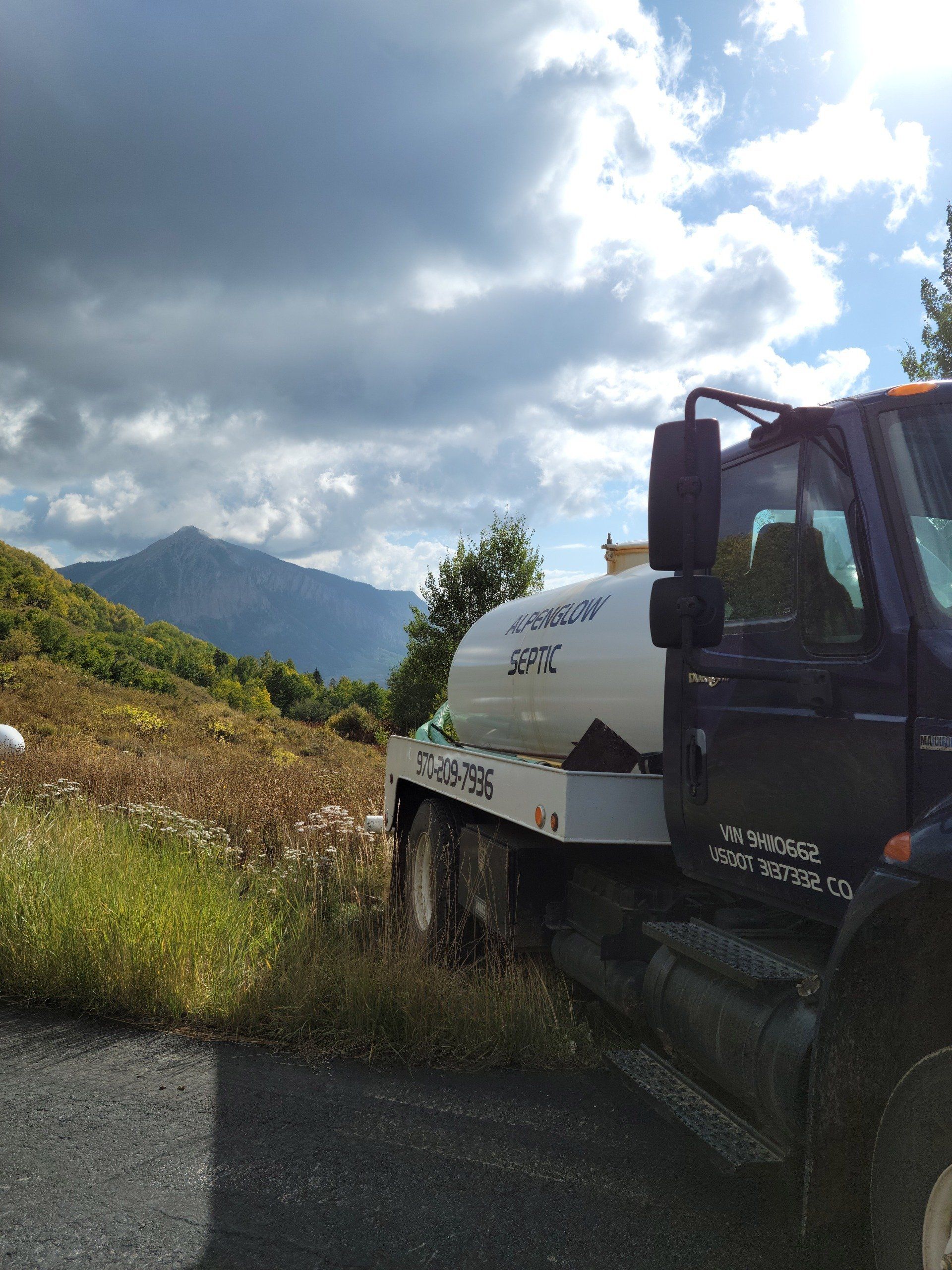
Alpenglow Septic provides residential and commercial septic system pumping throughout the Gunnison Valley, Crested Butte, Mt. Crested Butte, and surrounding areas. Proudly serving the region since 2017.
- NAWT Certified Inspector
ID# 14251ITC - CPOW – Colorado Professional Onsite Wastewater
- NAWT Certified Septic Cleaner Licensed & Insured
Our Services
Serving Gunnison, Crested Butte, Mt Crested Butte, Pitkin, Parlin, Ohio City, Sargents, Saguache County and the Surrounding Area.
SEPTIC TANKS
Reliable septic tank pumping, inspections and maintenance to keep your system running efficiently and prevent costly repairs.
LIFT STATIONS
Efficient lift station service and upkeep to ensure consistent wastewater flow and minimize system downtime.
HOLDING TANKS
Scheduled holding tank pumping to manage wastewater levels safely and prevent overflows or disruptions.
LOCALLY OWNED & OPERATED
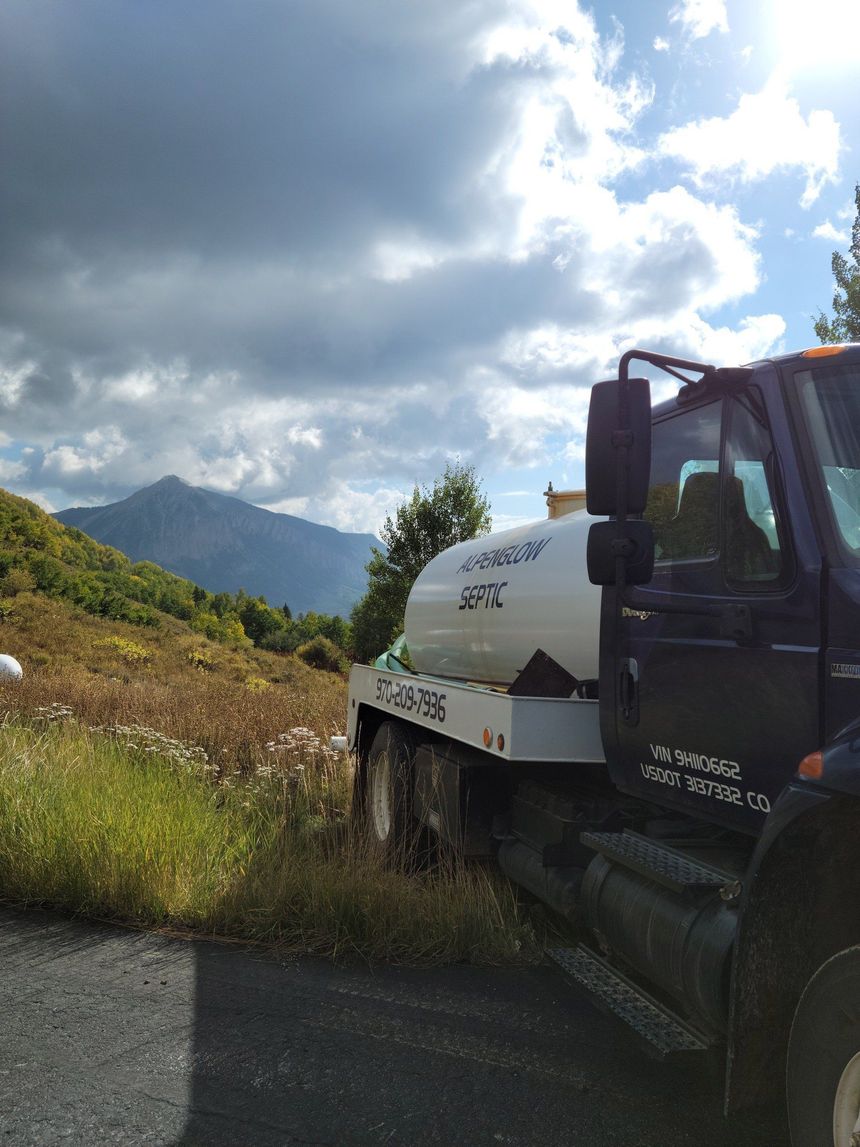
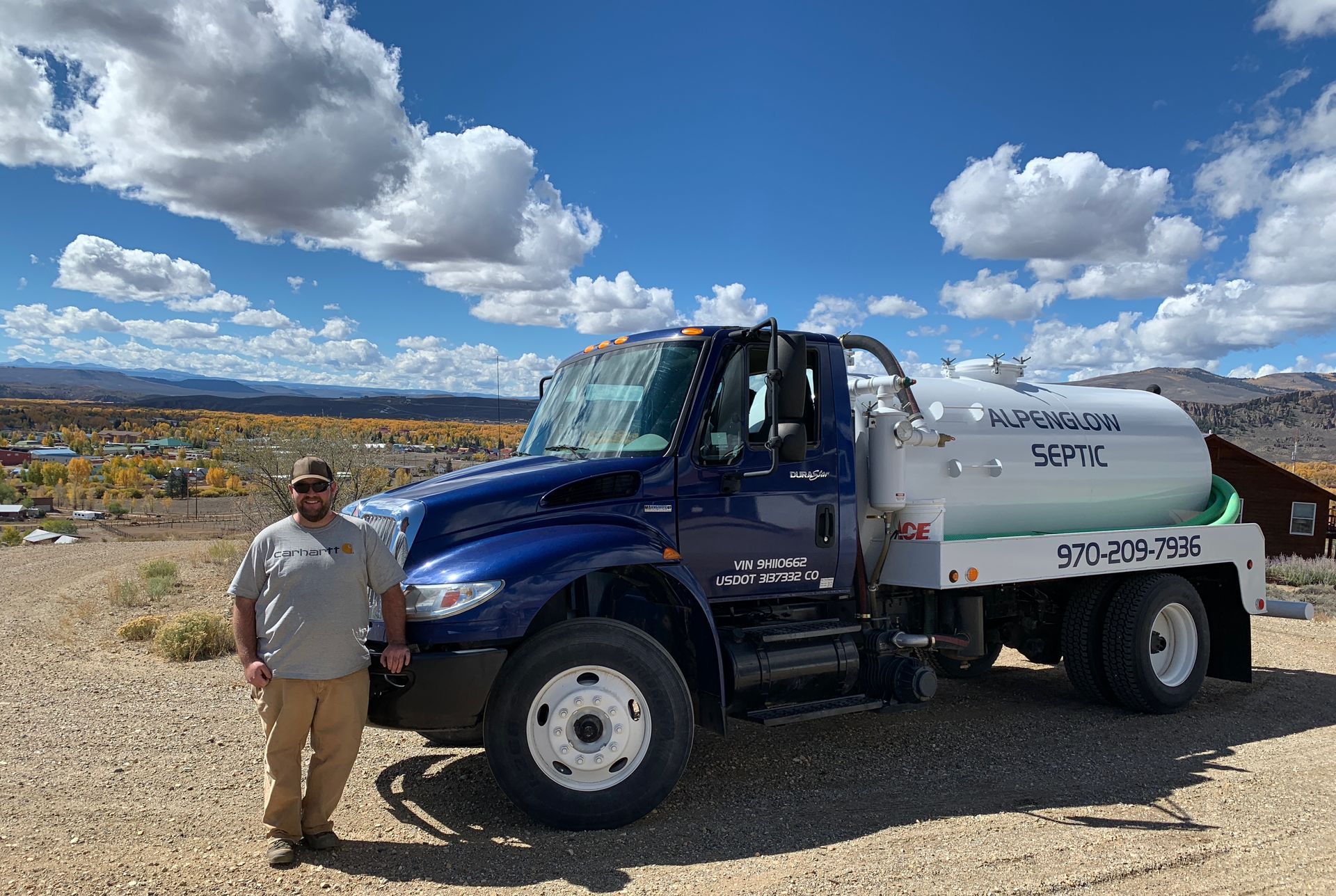
Alpenglow Septic, owned and operated by Adam Stowell, provides reliable septic tank pumping services throughout the Gunnison Valley and surrounding areas. As a Colorado Certified Septic Inspector, Adam also offers professional septic system inspections for real estate transactions, property title transfers, and overall system evaluations—ensuring your system is safe, compliant, and functioning properly.
FAQs
Find clear answers to common questions about septic services, maintenance, and what to expect.
What is a septic system?
A septic system is an On-Site Wastewater Treatment System or OWTS. A basic septic system consists of the septic tank and drainfield.
Was the tank full and needing pumped?
A septic tank is designed to be full and operate at a full liquid level. Pumping frequency is determined by the amount of solid waste that will be retained by the tank. Also referred as the sludge and scum layers.
What is septic tank?
An underground vessel for treating wastewater from a single building or dwelling by a combination of settling and anaerobic digestion. Effluent (liquid) is usually disposed of by leaching. The solids are pumped out periodically by a licensed service truck and hauled off-site to a waste disposal site or treatment facility.
How often should you pump the tank?
It depends on the size of the system and how it is being used. If there is a large amount of content going down the drain, pump more often. When a minimal amount of content is introduced, pump less often. If large amounts of disinfectants or anti-bacterial agents are being introduced into the system then pump more often. Introducing disinfectants or anti-bacterial agents into the system could shorten the life expectancy of the septic system.
On average, we recommend to pump the tank out every 2-4 years for a family of 4 with normal use. System size and use are the main factors. If you’re not sure, it’s best to have your tank pumped. We can determine systems overall performance, size, and recommend the next service date.
What is required for pumping the tank?
Locating the septic tank. Most tanks have at least 1 lid, usually concrete but sometimes metal or fiberglass. The lid (s) might be at ground level or buried. If buried, the lid must be uncovered to pump the tank out. Special equipment is sometimes required to locate the tank if no records are found and the property owner doesn’t know the location. A septic service truck will need plenty of space to maneuver the truck and hoses for pumping. Making ample space prior to the truck arriving on-site is helpful. Pumping is done through a 3″ hose and can be no more than 80 feet away from the service truck.
View this profile on InstagramAdam Stowell(@ alpenglow_pumper) • Instagram photos and videos
What our clients say:
"Adam couldn't have been easier to schedule or work with. My septic lid was majorly stuck and Adam was able to remove it without an issue. Fair price and same day service. Five stars and will use again! THANK YOU!"
-Brad Wheaton
"Adam was very flexible in scheduling a time to service and inspect our septic system, he arrived when he said he would, he was very knowledgeable and helpful. We plan on using our existing OWTS for our new home. Adam explained how to accomplish this and provided an inspection report. Great service."
-Mike Brown
"I highly recommend Adam. His customer service is second to none. Adam consistently is outstanding and exceeding my expectations every time. Best septic guy in town!"
-Hanna Hersberger